
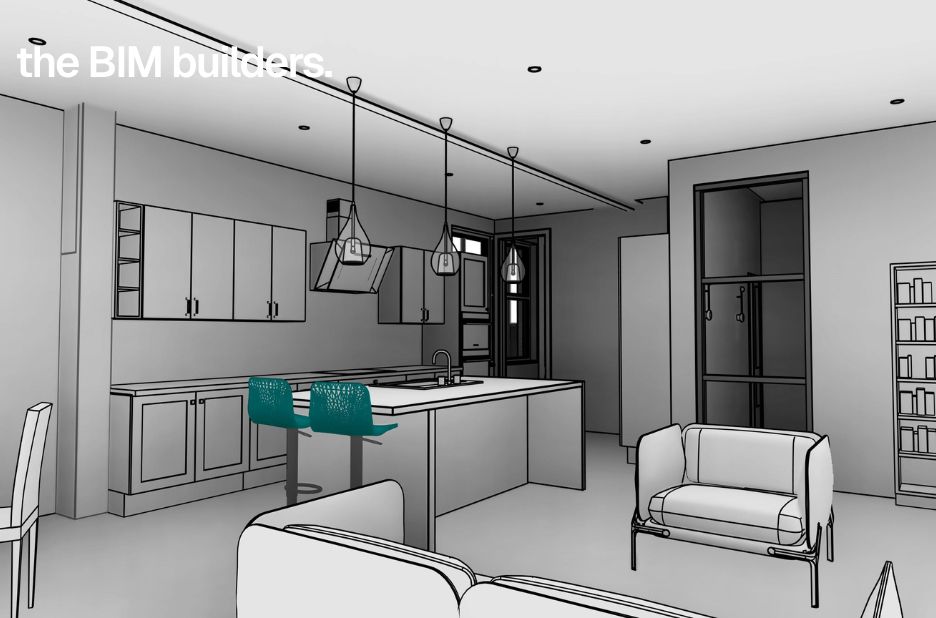
Overview of BIM Visualisation
In modern construction projects, accurate visual models are essential to align teams, spot issues early, and communicate design intent effectively. Bim Visualization Services play a crucial role in transforming complex data into clear, immersive representations. By leveraging detailed 3D models, stakeholders can Bim Visualization Services explore spatial relationships, materials, and sequencing without the need for costly physical mock ups. This section emphasises how high‑quality visualisation supports informed decision making, risk assessment, and transparent collaboration across design, engineering, and construction disciplines.
Benefits for Design Coordination
Visualisation is not merely about pretty pictures; it enables teams to review geometry, aesthetics, and functionality in a cohesive environment. When integrated with building information data, it supports rapid scenario testing and iterative design refinement. Practitioners can validate feasibility, Bim Clash Coordination detect clashes, and ensure compliance with project standards while maintaining clear documentation for client review and regulatory checks. The result is a more efficient design phase with fewer late changes and smoother approvals.
Core Use Cases for Bim Clash Coordination
At the heart of effective project delivery is Bim Clash Coordination, which focuses on identifying conflicts between structural, mechanical, and architectural elements before construction. Through coordinated models, teams prioritise risk areas, assign responsibility, and set actionable mitigation steps. This approach reduces rework, shortens construction schedules, and improves on‑site safety. The emphasis remains practical: anticipate problems, resolve them in the model, and prevent costly field adjustments.
Workflow Integration and Best Practices
Successful visualisation requires a well‑defined workflow that ties model creation, review, and issue tracking together. Teams benefit from standardising naming conventions, model levels of development, and clash scoring methods. Regular coordination meetings, supported by visual outputs, foster accountability and prompt decision making. As projects scale in complexity, the ability to export clear visuals and share annotated feedback becomes a cornerstone of successful collaboration across disciplines.
Industry Standards and Practical Impact
Adhering to industry standards ensures models remain interoperable, accurate, and future‑proof. Practitioners align with established guidelines for data exchange, model validation, and add‑on integrations. The practical impact of robust BIM visualisation is tangible: fewer design errors, streamlined approvals, and better stakeholder engagement. Continuous improvement comes from assessing model performance against real‑world constraints and maintaining candid, data‑driven conversations across teams.
Conclusion
Effective Bim Visualization Services empower project teams to foresee issues, collaborate more transparently, and deliver projects with greater predictability. By integrating clash detection and detailed visual outputs into daily workflows, organisations can streamline coordination, reduce rework, and improve outcomes across design and construction. Visit THE BIM BUILDERS for more insights and resources on practical BIM tooling and best practices.
