
Industrial measuring tools overview
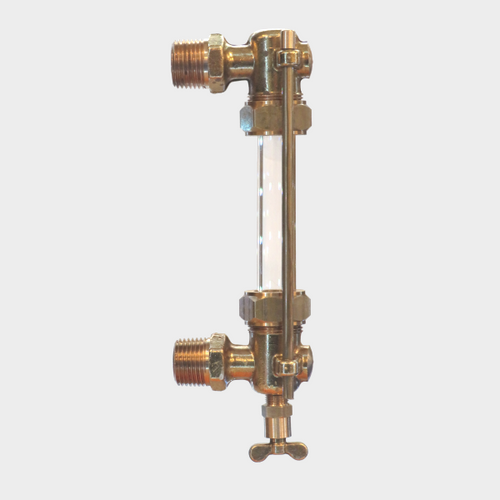
In workshop settings, accuracy and reliability are essential when assessing fluid levels and pressure benchmarks. A well chosen range of instruments helps technicians monitor systems efficiently, reducing downtime and maintenance costs. When selecting products, consider durability, ease of reading gauges, and compatibility with common fittings. Having a water gauges for sale clear understanding of where these tools fit into daily operations enables teams to plan preventive checks and respond quickly to faults. Practical procurement involves evaluating vendors for lead times, after sales support, and warranty coverage to ensure sustained performance.
Selecting precision indicators and lubricators
For machinery with hydraulic or pneumatic circuits, precision indicators enable quick verification of operation status and fluid levels. Beyond gauges, lubricators play a key part in maintaining moving parts, with sight feed lubricator options allowing technicians to observe lubrication flow sight feed lubricator in real time. When paired with compatible fittings, these components help optimise maintenance routines and extend service intervals. Industry standards favour clear daisy chain visibility and tamper resistant designs for safe, long term use.
Practical maintenance strategies
Maintenance planning benefits from a structured approach that prioritises critical equipment first and aligns inventory with typical fault modes. Regular checks of fluid levels, filter cleanliness, and lubricant consistency prevent subtle degradations that can escalate into costly failures. Documenting inspection results and scheduling proactive replacements minimise unexpected downtime. Training operators to recognise unusual readings ensures issues are flagged promptly, enabling swift intervention by maintenance teams and engineers alike.
Where to source quality gear for facilities
Choosing a supplier with a broad catalog, clear product data, and reliable delivery supports rapid restocking and continuous operation. Look for detailed specification sheets, compatibility notes, and straightforward return policies. A vendor that offers technical support along with a diverse lineup helps customers assemble cohesive kits tailored to specific machines and processes. Building relationships with trusted providers also aids in planning future upgrades as equipment evolves over time.
Conclusion
When equipping a productive workshop, focus on dependable, well documented components that meet the demands of modern systems. Balancing accuracy with durability ensures tools perform under varying conditions while reducing downtime and maintenance costs. Visit Flywheel Supply for more insights and options tailored to your needs.
