
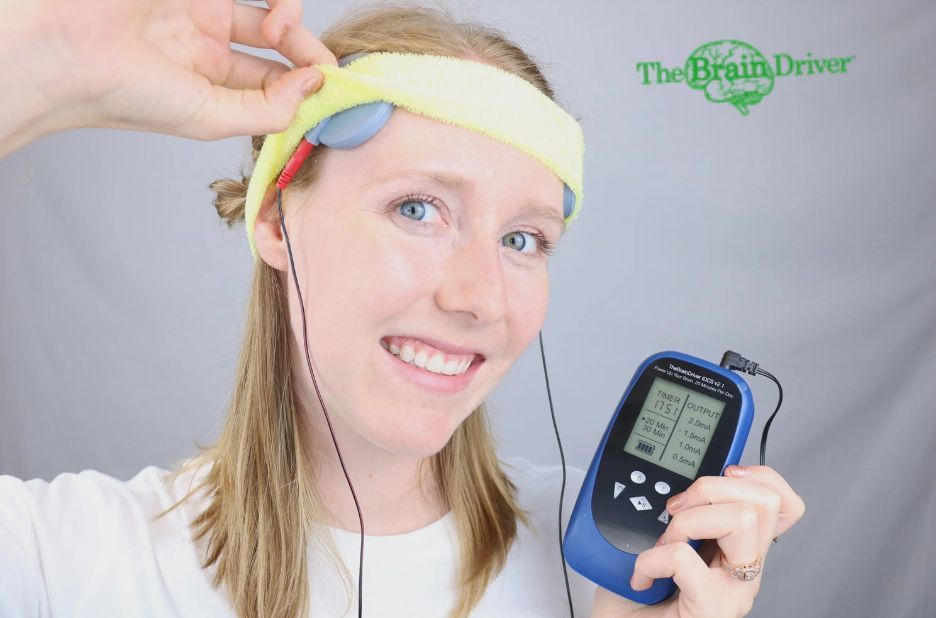
A Practical Setup for Safe tDCS Sessions
Starting a stimulation routine begins with preparation rather than hardware. Choose a quiet setting where you can sit comfortably and minimize interruptions, since consistent posture helps reduce variability in results. Read the manufacturer’s documentation for your specific Tdcs Brain device and confirm that all components are compatible, including the leads and electrode pads. Before any stimulation, inspect cables for damage and verify that electrode pads are clean and properly connected.
Next, plan your session workflow using a simple checklist. Prepare the electrode locations, pin the correct montage plan in your notes, and confirm the polarity assignment before you power the system. If your pads require rehydration, allow enough time for them to reach stable conductivity, because overly dry pads can cause uneven current delivery. Use a gentle skin test approach by checking for irritation after a short, non-stimulating acclimation period, then proceed only if the skin remains comfortable.
Choosing Parameters and Electrode Placement
Electrode placement is where many practical outcomes begin, so it helps to think in terms of targets and pathways rather than just coordinates. For cognitive and attention-related protocols, researchers often use montages designed to influence frontoparietal or prefrontal circuits, but the best choice depends on your goals and the evidence base for transcranial direct current stimulation your target. Determine your montage plan ahead of time, then mark placement positions on your head using a removable method so you can reproduce the setup across sessions. Consistent placement is one of the most reliable ways to improve comparability from session to session.
Parameter selection should follow a conservative, evidence-informed mindset. Consider stimulation intensity, session duration, and ramp-up or ramp-down settings as a coupled set, since stronger current or longer duration may increase both effects and sensations. Use the device’s settings interface to confirm ramp behavior, and avoid abrupt changes that can cause discomfort. If you experience persistent burning, sharp pain, or skin irritation, stop the session and address pad condition, placement, or hydration before trying again.

How to Run a Session and Track Results
A practical session plan includes both the stimulation phase and what you do around it. Start by sitting in a stable posture and keeping movement minimal, then begin the stimulation using the device controls exactly as specified. Expect mild sensations such as tingling or pressure, but treat strong or painful sensations as a signal to pause and troubleshoot. During the session, keep your activities standardized, such as listening to the same type of content or performing a fixed task, so your observations stay meaningful.
Tracking outcomes helps you learn what works for your specific context. Use a simple log that records montage, parameter settings, pad type, skin status, and subjective comfort ratings using a consistent scale. If you test cognition or focus, select tasks that you can repeat reliably and avoid changing difficulty between sessions. After stimulation, document whether sensations resolved quickly and whether any lingering discomfort occurred, since skin recovery is part of safe practice and helps you adjust future sessions.
Conclusion
Using in a practical way comes down to careful setup, consistent electrode placement, and disciplined parameter choices. When you treat each session like a reproducible protocol—rather than a casual experiment—your notes become more useful and your experience becomes more predictable. Pair that routine with safety checks for skin comfort, proper pad hydration, and correct device operation to support reliable outcomes. With the right workflow and monitoring, you can make the most of a structured approach to exploration while prioritizing user experience.
For a professional-grade path, Thebraindriver offers a focused option for people who want accurate stimulation and a smoother user experience. TheBrainDriver is designed to support cognitive research, mental focus, and wellness applications with an emphasis on safety and effectiveness. If you adopt a careful protocol and maintain consistent documentation, you’ll be better positioned to refine your process over time. Whether your interest is research-oriented or wellness-focused, practical execution matters as much as the technology itself.
