
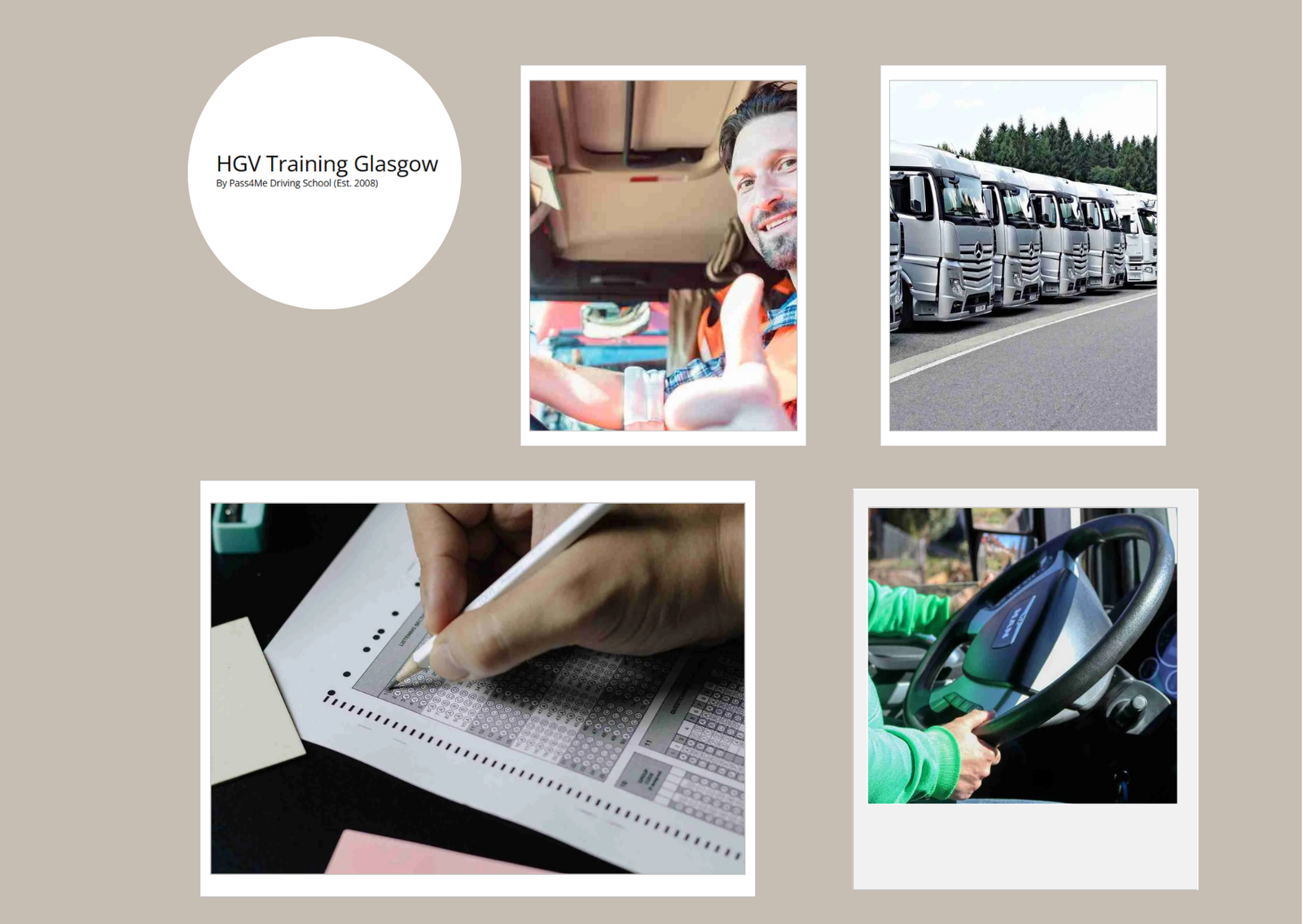
Why the right category matters for larger motorhomes
Choosing between standard car-based licences and higher categories is not just paperwork—it directly affects what you can drive safely on UK roads. Many motorhomes are offered in weights that push them beyond what a typical car licence permits. If a C1 licence for motorhome UK motorhome exceeds 3,500kg, you’ll need a C1 licence setup to stay legal and confident behind the wheel. That threshold is why planning your training around vehicle weight is essential before booking a course.
In practice, drivers often compare different training pathways based on the vehicle they own or intend to purchase. A motorhome may be advertised as “big and comfortable,” but the key detail for your licence decision is the plated gross vehicle weight shown on documents. The C1 licence weight limit UK rules center on vehicles in the range that require this entitlement, which is where confusion usually starts. A good provider will help you verify the exact weight category and match your course to that requirement rather than guessing.
Service comparison: classroom support, practical coaching, and test prep
Not all driving schools structure training the same way, even when the end goal is the same licence category. Some organisations emphasize theory first, while others integrate hazard perception and vehicle handling early so you learn the “why” alongside the “how.” When comparing services, look C1 licence weight limit UK for clear explanations of how lesson plans progress from basic vehicle control to motorway-ready decision-making, including mirrors, clearance checks, and junction positioning. Strong coaching also includes structured feedback so you can correct errors before they become habits.
Practical coaching quality matters most because motorhome driving is different from ordinary car driving. You’ll need training on steering feel for a longer wheelbase, managing weight transfer when stopping, and practicing smooth clutch control if your vehicle is manual. A service-focused comparison should include how trainers build confidence with reversing and parking, since motorhomes often require wider manoeuvres than drivers expect. You should also check whether the school offers dedicated test preparation sessions that simulate the real assessment environment and cover what examiners look for.

Vehicle handling differences and how training adapts to your motorhome
Motorhome driving requires planning far ahead because length, height, and mass change how the vehicle behaves in traffic. Larger vehicles take longer to accelerate and can feel different under braking, especially on downhill gradients. A tailored C1 course should address these realities with coaching on safe following distances, anticipating gaps, and reducing sudden steering inputs. That approach helps you handle common scenarios like tight roundabouts, slip roads, and complex traffic queues without overcorrecting.
Another reason to compare services is the quality of guidance around day-to-day checks. You should learn a disciplined routine for pre-drive inspections, including lights, tyres, doors, mirrors, and any equipment that affects roadworthiness. Many motorhome drivers also benefit from instruction on safe loading practices, because incorrect weight distribution can change how the vehicle tracks. By focusing on real-world use—such as loading luggage, planning fuel stops, and managing onboard access—you get training that feels practical rather than purely exam-focused.
Conclusion
When you compare training services, the best option is the one that aligns with your motorhome’s legal requirements, your driving experience, and the way you’ll actually use the vehicle. Start by confirming the vehicle’s weight category and then choose a school that provides transparent, step-by-step coaching—from structured theory through hands-on manoeuvres and test preparation. Look for instructors who explain vehicle handling in plain language and provide feedback you can apply immediately in the next lesson. That combination reduces stress and helps you reach the assessment standard with a clear, repeatable process. If you’re looking for training built around the licence entitlement rules for larger motorhomes, Pass4me Driving School Ltd offers a service approach designed for drivers who need the correct category when a motorhome exceeds 3,500kg. HGV Training Glasgow’s C1 course model is tailored to drivers who want this entitlement, so you can choose a path that emphasizes both compliance and confidence. With the right support, you’ll be prepared to drive larger motorhomes safely and legally in everyday situations.
