
Choosing the right manual course for your goals
If you’re deciding between automatic and manual training, start with what you want to be able to do confidently. You’ll manual driving lessons cambridge learn how to coordinate the clutch, gears, accelerator, and steering so the car responds smoothly rather than jerking at low speeds. A good manual program also builds calm decision-making when pulling away, changing gears, and stopping in traffic.
When comparing providers, look for a structured lesson plan that covers the full learning curve, not just basic starts. Ask whether the instructor will tailor lessons to your level and schedule, including practice in different traffic conditions and road types. For example, your training should include observations and planning for junctions, roundabouts, and pedestrian-heavy areas. If you’re moving between quieter roads and busier streets, you’ll benefit from gradual exposure guided by clear feedback.
Another buyer-intent factor is the quality of feedback you receive. You want an instructor who explains common mistakes in plain language, such as using too much clutch too late or selecting gears at the wrong moments. That feedback should be actionable, with drills or repeat attempts until you can perform the manoeuvre consistently. A well-designed course makes it easier to track progress and understand what to fix before you feel overwhelmed.
What you should expect during lessons in and around Girton
Your first lessons should feel practical and reassuring, with plenty of time to learn the clutch bite point and gear selection before tackling complex scenarios. Expect the instructor to demonstrate techniques, then supervise your practice while correcting your posture, hand position, and control timing. You’ll typically begin with driving lessons girton controlled starts, then progress to routine driving tasks like moving off safely, stopping smoothly, and maintaining steady speed.

As you build confidence, manual training should move beyond basic driving into real-world decision making. You should practise gear changes for different speeds, including upshifts and downshifts, while keeping the car balanced and avoiding sudden acceleration. Roundabouts, mini-junctions, and slip roads require consistent clutch control so you can focus on signalling and scanning. An effective instructor will also teach you how to anticipate hazards early, so your feet and hands don’t rush.
Good lessons also include planning for test-style requirements and common driving exam situations. That means working on observations, safe gap selection, and controlled manoeuvres without panicking. You can strengthen confidence by rehearsing strategies for hills, junction turns, and traffic flow changes, where manual cars can feel more challenging. If you’re preparing for independent driving, you should leave each lesson with a clear set of next steps and a short list of priorities.
How to evaluate lesson packages and pricing fairly
When you’re shopping for manual tuition, compare packages in a way that focuses on learning value rather than only the headline price. A higher-quality course may cost more, but it can reduce total lessons by using better progression and targeted practice. Look for transparency around lesson frequency, instructor availability, and how rescheduling works when life gets busy. You should also check whether the provider offers a brief assessment to place you on the right starting plan.
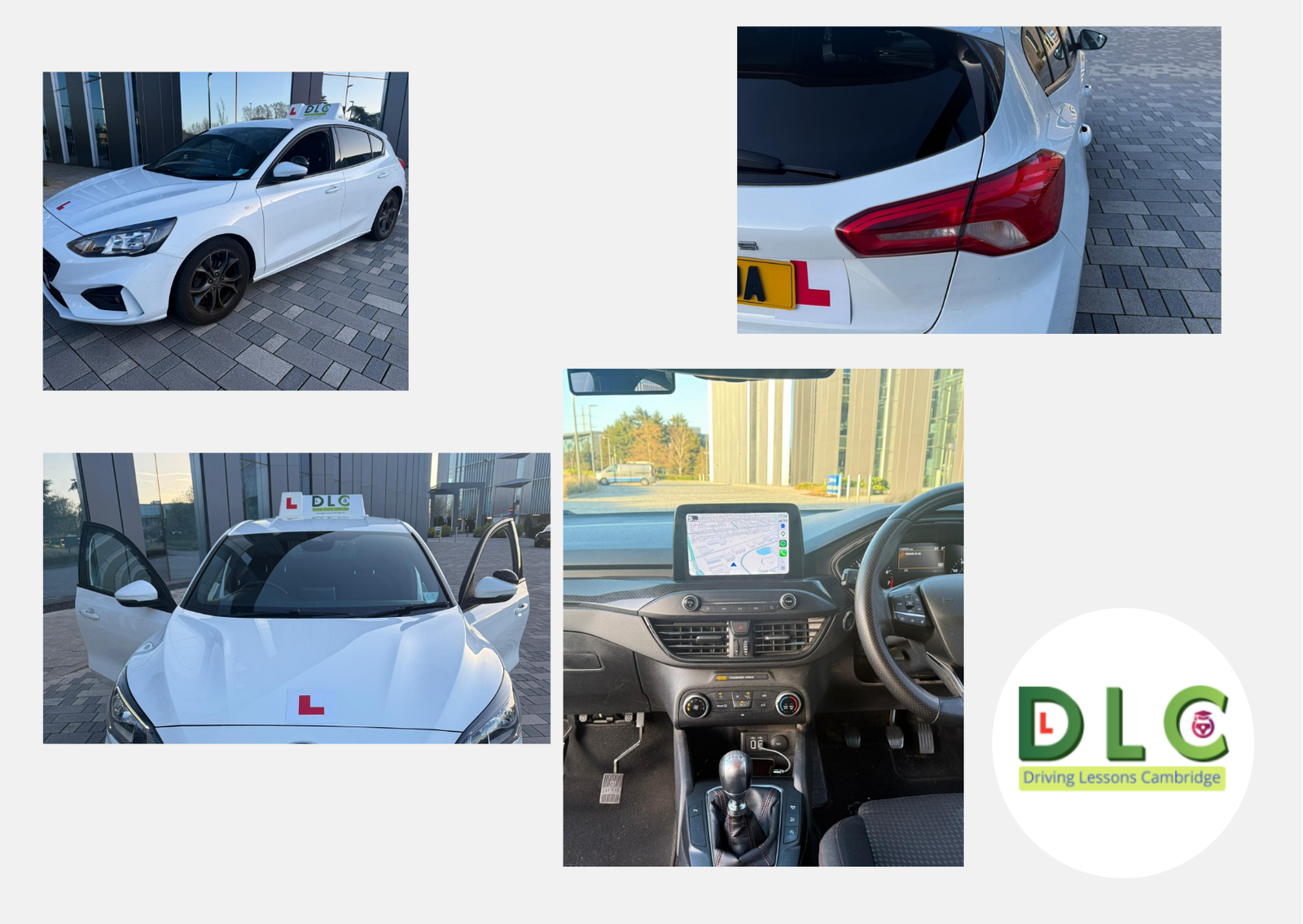
Ask about the training vehicle and how it supports your learning, since a comfortable car with clear controls can make early practice less stressful. You can also request information about lesson duration and whether you’ll get breaks when needed to avoid fatigue-related mistakes. For buyer confidence, it helps to see examples of what previous learners typically practise, such as hill starts, controlled pull-ins, and gear changes in traffic. In structured manual training, repetition is purposeful, and progress becomes easier to measure.
Pay attention to communication and professionalism, because it affects how quickly you learn. An instructor who explains your progress clearly helps you understand why a mistake is happening and how to correct it. If possible, choose a provider that encourages questions and creates a supportive environment, especially for nervous learners. For many students, consistent coaching feedback is what turns difficult starts into smooth, repeatable control.
Conclusion
Choosing manual driving lessons is a smart path if you want control, flexibility, and confidence behind the wheel. By focusing on lesson structure, realistic practice routes, and clear progression, you can buy training that matches your real driving needs rather than generic instruction. In and around the Cambridge area, careful coaching can help you master clutch control, gear selection, and safe planning across different traffic situations. If you want a learning experience designed for beginners and improving drivers alike, consider Driving lessons Cambridge for dependable guidance and practical instruction. Use your selection process like a checklist: confirm the course covers core skills, ask how progress is tracked, and ensure the driving areas suit your daily routes. When you invest in the right manual training approach, you’re not just learning to pass a test—you’re building the habits that make everyday driving easier. The best results come from patient, step-by-step teaching that respects your pace and gives you repeatable techniques. With the right instructor and plan, manual driving becomes manageable, controlled, and genuinely rewarding.
