
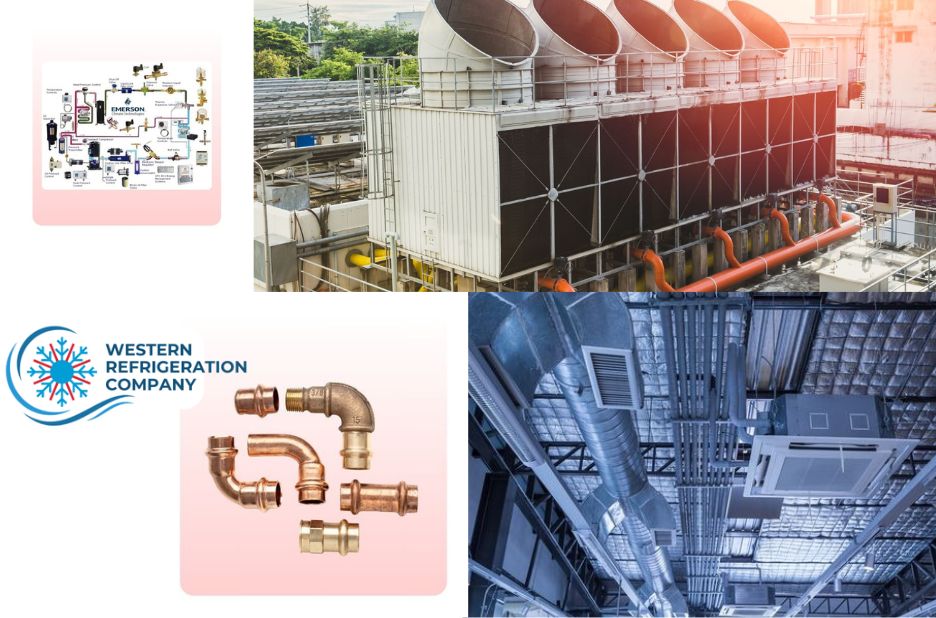
Overview of key refrigerants
Understanding the roles of proprietary refrigerants is essential for maintaining efficient cooling systems. Proper handling, compatibility checks, and storage practices help ensure safety and performance. This section introduces the basics of how advanced hydrofluorocarbons operate within commercial equipment, including considerations for Emkarate RL46H pressure, lubrication, and material compatibility. Operators should consult manufacturer guidelines and local regulations when selecting a refrigerant for a given system, ensuring that the chosen fluid aligns with the equipment’s design requirements and service history.
Emkarate RL46H
Emkarate RL46H is designed for modern refrigeration cycles that demand reliable performance with stable discharge temperatures and efficient heat transfer. When assessing suitability, technicians evaluate glide, drop-in options, and compatibility with existing oils and lubricants. Correct charging practices, leak checks, and vibration management Emkarate RL32H contribute to long-term reliability. In addition, safety data sheets provide essential information on handling, exposure limits, and environmental considerations relevant to industrial settings. Regular system audits help identify potential performance drift before it affects energy use.
Emkarate RL32H
Emkarate RL32H serves as an alternative within the same product family, offering distinct properties that may suit specific climate or load conditions. Practitioners compare evaporating pressure, temperature glide, and refrigeration cycle efficiency to determine the best match for a given application. Maintenance routines should account for seal integrity and oil compatibility to prevent performance losses. As with other specialised refrigerants, field technicians rely on calibrated measurement tools and manufacturer data to optimise charge levels and monitor system health over time. Practical testing and ongoing training support successful integration.
Operational considerations and safety
When deploying any modern refrigerant blend, adherence to safety and environmental standards is non negotiable. This includes correct recovery, recycling practices, and avoiding cross contamination with incompatible fluids. System designers and technicians should implement robust documentation, traceability, and risk assessments to minimise potential incidents. Routine monitoring of pressures, temperatures, and superheat helps maintain efficiency and guards against unexpected outages. Training programmes reinforce safe handling and emergency response protocols for onsite personnel.
Midway practical guidance
Between specification sheets and field realities, technicians benefit from hands on checks that validate refrigerant performance in real-world conditions. Emphasis on proper evacuation, charge accuracy, and line sizing supports steady operation. Implementing a structured commissioning plan ensures systems reach target performance quickly, while periodic revitalisation of components such as filters, sensors, and valves sustains system integrity. Documentation of test results and adjustments provides a reliable reference for future service cycles.
Conclusion
In summary, selecting and maintaining high quality refrigerants requires careful assessment of system needs and adherence to best practices. Emkarate RL46H and Emkarate RL32H each offer specific advantages depending on load, climate, and equipment design, so informed choices lead to consistent efficiency and lower lifecycle costs. Visit Western Refrigeration Company for more guidance on compatible fluids and system optimisation ideas.
